Wellbeing
Hamish and Milo

What is Hamish and Milo?
Hamish & Milo is a collection of wellbeing interventions for primary-aged children, developed by an educational psychotherapist to support social-emotional learning (SEL) and mental health. The programme provides schools with resources and session plans to facilitate "courageous conversations" with children about emotions, life experiences, and mental health topics like friendship, resilience, anxiety, anger, and loss. The resources include digital platforms, activities, wellbeing journals, and reward stickers, all designed to help children develop self-awareness, regulate emotions, and build healthy social relationships.
Methodology
It uses evidence-based theories like attachment theory, neuroscience, and early childhood development to provide a framework for understanding and managing emotions.
Resources
Digital platforms: Platforms like Navigator offer data on program impact, and other platforms provide access to sessions and resources.
Wellbeing Journals: Journals for children to use during sessions, including spaces for stickers.
Motivational Stickers: Stickers with supportive messages and images of the characters to celebrate children's efforts and achievements.
Cuddly Pals: Soft toys that can provide comfort and help children feel heard and special.
Target Audience: The resources are designed for use with primary-aged children and are suitable for use in small groups, 1-to-1 sessions, and whole-class settings.
Key Aspects of Hamish & Milo
The focus is to build emotional literacy and support children's mental health and wellbeing through targeted interventions. There are 10 different topics each with their own 10-week session plan pack. These interventions are intended to be delivered once a week to a small group of children.
Topics:
- Friendship
- Resilience
- Anxiety
- Diversity
- Strong emotions and anger
- Change and transition
- Conflict resolution
- Loss and bereavement
- Sadness
- Self-esteem
Source: https://hamishandmilo.org/
LEGO® Therapy
What is LEGO® Therapy?
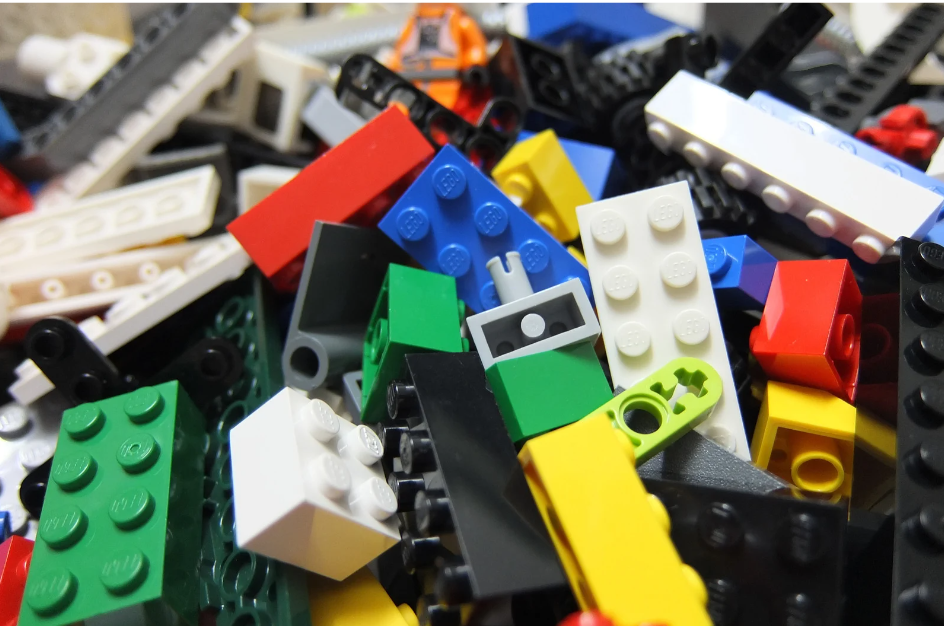
LEGO® Therapy is a structured, play-based intervention where children come together each week for a 6-week course. The sessions include collaborative LEGO® building projects aimed at encouraging interactions among the children and fostering their problem-solving skills.
This effective and engaging in-school provision promotes the development of key communication skills, including attention and listening, vocabulary and concept development, sharing, collaboration, describing and explaining, turn taking and conflict resolution.
Benefits of LEGO® Therapy
LEGO® Therapy has been proven effective in:
- Enhancing social skills: Children learn turn-taking, joint attention, problem-solving, and teamwork (National Autistic Society) (ASAT).
- Improving communication: The structured activities help children develop their vocabulary, grammatical skills, and ability to give and follow instructions (PositivePsychology.com) (SALT & Light).
- Boosting confidence and self-esteem: Successfully completing projects in a supportive environment enhances children's self-worth (CPotential - We do).
- Developing fine motor skills: Handling LEGO® bricks improves hand-eye coordination and spatial awareness (ASAT).
- Reducing anxiety and stress: The predictable and engaging nature of LEGO® activities can be calming and therapeutic (CPotential - We do).
Who is LEGO® Therapy Suitable For?
The LEGO® Therapy program is ideal for children who:
- Need practice working in a team.
- May become easily frustrated or want to give up on tasks.
- Have difficulties in creating or sustaining friendships.
- Find communication challenging.
- Want to gain confidence speaking in groups.
- Could benefit from listening to others more.
- Are vocal at home but reticent in social situations.
- Have any form of social, communication, or developmental concerns, including mild learning difficulties, language delays, or fine motor skill coordination issues.
- Are diagnosed or suspected to have Autism.
- Experience anxiety or nervousness in social situations.
Source: https://www.therapypartners.co.uk/education/lego-therapy-for-schools
Helpful Websites